
The Arrival of Islam in Kerala: The Influence of Malik bin Dinar
The rich cultural and religious tapestry of Kerala, India's southwestern state, has long been a blend of various influences. Among these, the arrival of Islam in Kerala stands out as a significant chapter, primarily attributed to the efforts of Malik bin Dinar, a revered figure in Islamic history.
The Historical Context
Kerala, with its long coastline and strategic location, was a thriving hub of maritime trade even in ancient times. This region was well-known to traders from Arabia, Rome, and China, who would frequent its shores for spices, silk, and other goods. The exchange of goods naturally led to an exchange of ideas, cultures, and religions.
The Legend of Cheraman Perumal
One of the most captivating legends related to the advent of Islam in Kerala involves Cheraman Perumal, the then ruler of the Chera dynasty. According to local tradition, Cheraman Perumal experienced a dream of the moon splitting, an event he later learned was a miracle performed by the Prophet Muhammad. Intrigued, he decided to visit Arabia to learn more about Islam.
Historical accounts suggest that Cheraman Perumal met with the Prophet Muhammad and converted to Islam, adopting the name Thajuddin. On his return journey to Kerala, he fell ill and passed away in Salalah, Oman. Before his death, he entrusted his companions, including Malik bin Dinar, with the mission of spreading Islam in Kerala.
Malik bin Dinar’s Mission
Malik bin Dinar, a devout follower and companion of Cheraman Perumal, is credited with the establishment of Islam in Kerala. Around 629 AD, he arrived on the Malabar Coast along with other Muslim preachers. They were well-received by the local rulers and communities, who were already familiar with Arabs through trade relations.
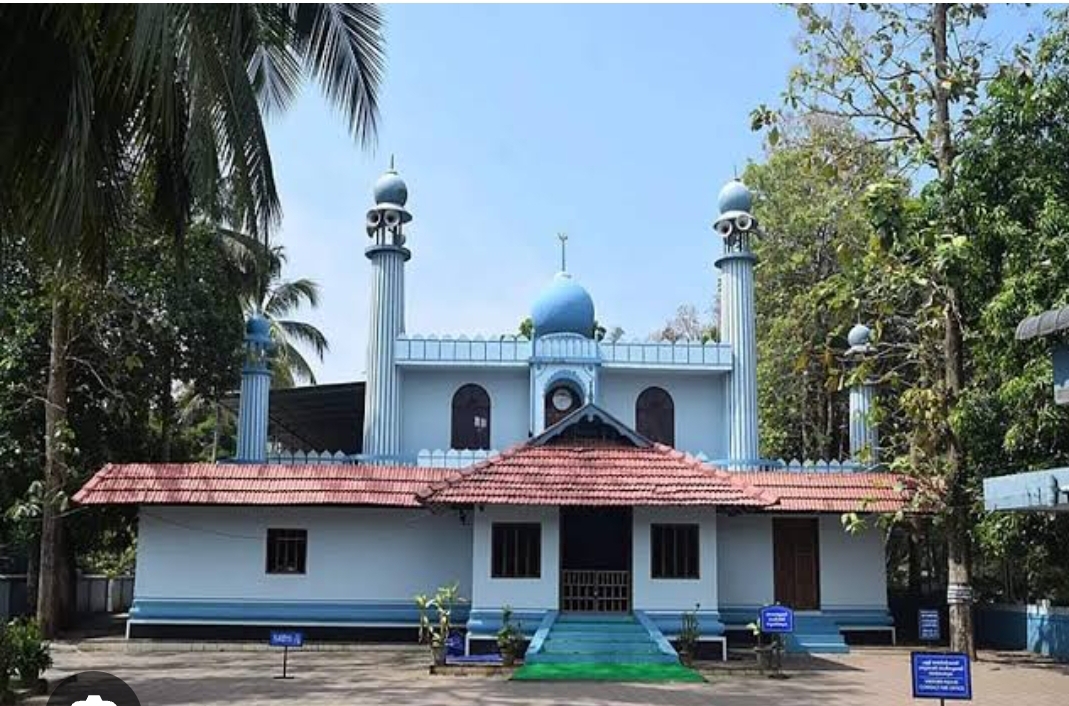
One of Malik bin Dinar's primary contributions was the establishment of several mosques, which served as centers for religious learning and community gatherings. The Cheraman Juma Mosque in Kodungallur, believed to be the first mosque in India, is attributed to him. This mosque, built in the traditional Kerala architectural style, stands as a testament to the harmonious blend of local culture and Islamic faith.
Malik bin Dinar and his followers also established other significant mosques along the Malabar Coast, including those in Kollam, Mangalore, and Kasaragod. These mosques played a crucial role in the spread of Islam in the region, fostering a sense of community and providing a place for worship and education.
Integration with Local Culture
Malik bin Dinar's mission in Kerala was marked by a deep respect for the local culture and traditions. Rather than imposing a foreign set of beliefs, he and his followers sought to integrate Islam into the existing cultural framework of Kerala. This approach facilitated a harmonious acceptance of the new faith, as it did not demand the abandonment of local customs but rather complemented them.
The Mappila Community
The Muslim community that emerged in Kerala as a result of Malik bin Dinar's efforts came to be known as the Mappilas. They played a significant role in the socio-economic and cultural life of Kerala, contributing to its unique multicultural identity. The Mappilas were known for their seafaring skills, trade acumen, and contribution to the arts and literature.
Architectural Influence
The mosques established by Malik bin Dinar and his followers are notable for their unique architectural style, which blends traditional Kerala architectural elements with Islamic design. The Cheraman Juma Mosque, for example, features a distinctive Kerala-style tiled roof and wooden interiors, reflecting the integration of local and Islamic architectural traditions.
Educational Contributions
Malik bin Dinar and his companions placed a strong emphasis on education and learning. The mosques they established often included madrasas, where religious and secular subjects were taught. These institutions became centers of learning and played a crucial role in the intellectual and cultural development of the region.
The Lasting Legacy
The efforts of Malik bin Dinar and his companions bore fruit as Islam took root in Kerala, blending seamlessly with the local culture. The legacy of Malik bin Dinar continues to be honored in Kerala, with annual commemorations and respect for the mosques he established. His mission of spreading Islam with a message of peace and tolerance is remembered and celebrated by both Muslims and non-Muslims alike.
Conclusion
The arrival of Islam in Kerala under the influence of Malik bin Dinar is a remarkable story of faith, cultural exchange, and harmonious coexistence. It highlights how trade, travel, and personal interactions can lead to profound and lasting changes in societies. Malik bin Dinar's journey and efforts remain an inspiring chapter in the rich history of Kerala, reflecting the state's spirit of openness and acceptance.


Comments
Post a Comment